
Rare Earths

Multisensory experience

The mountain eats men


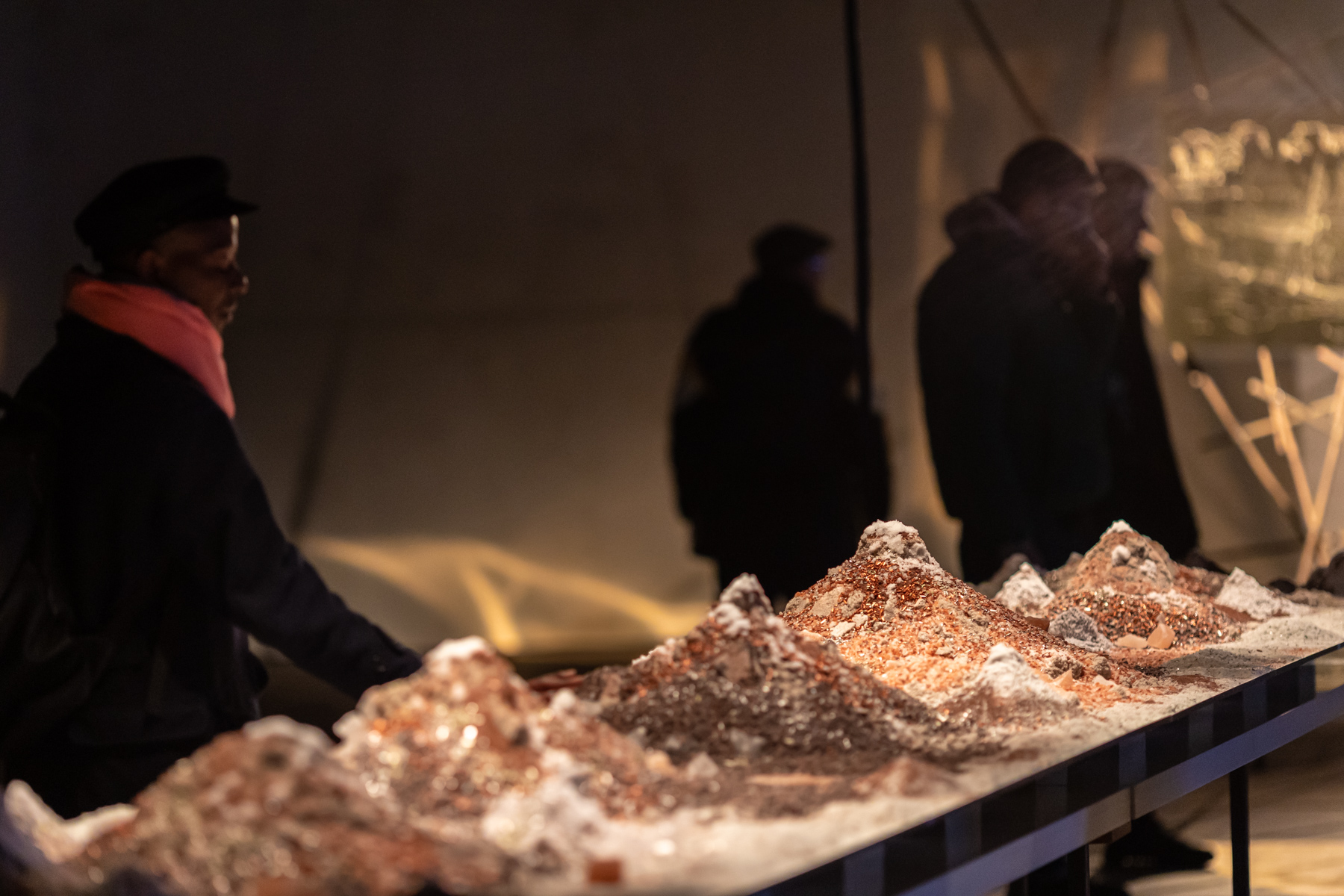
In Potosí they say that the mountain eats men. For five hundred years, Cerro Rico has devoured bodies in the name of someone else’s wealth, reminding us that all extraction is, above all, a relationship of hunger. Rare Earths proposes to invert that image: what happens when it is humans who eat the mountain? What does that gesture reveal about our desires, violences, and everyday complicities with the extractive economies that sustain the technological world?

A sensorial drift


This project emerges from research begun in 2020 on extractivism and mining history in Bolivia, Chile, and Argentina. From this process, two intertwined lines of inquiry took shape: Wak’a: Neo-Extractivism, Sacredness and Deep Listening, which investigates the spiritual and symbolic matrix underpinning mineral-extraction narratives; and Triangle of Sacrifice, focused on the legal concept of “Sacrifice Zone” and on the so-called “Lithium Triangle,” the vast salt flats that contain more than 65% of the planet’s known lithium. Rare Earths constitutes the third movement in this ongoing research: a sensorial drift that shifts from the documentary to the experiential, the audible, and the edible.
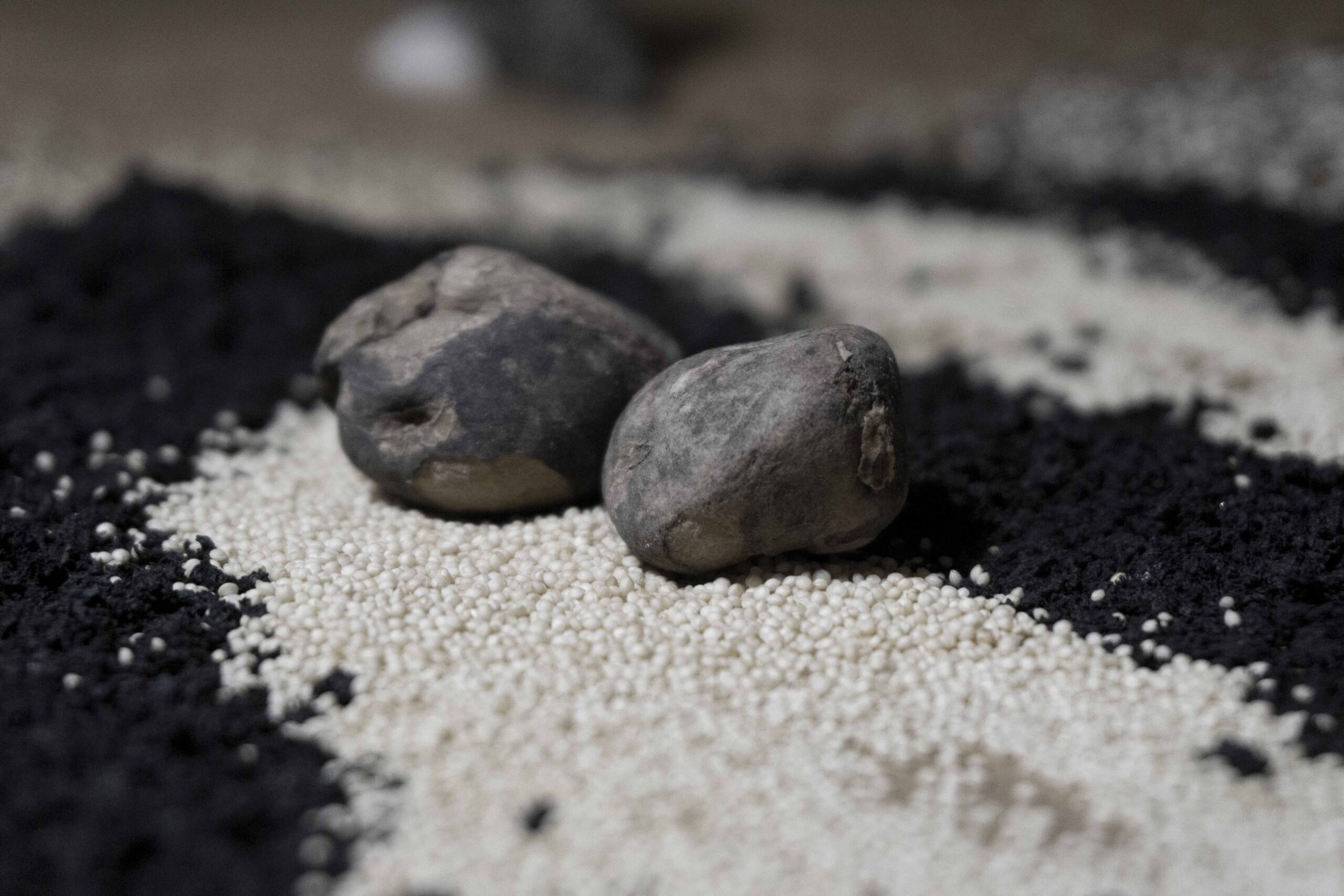

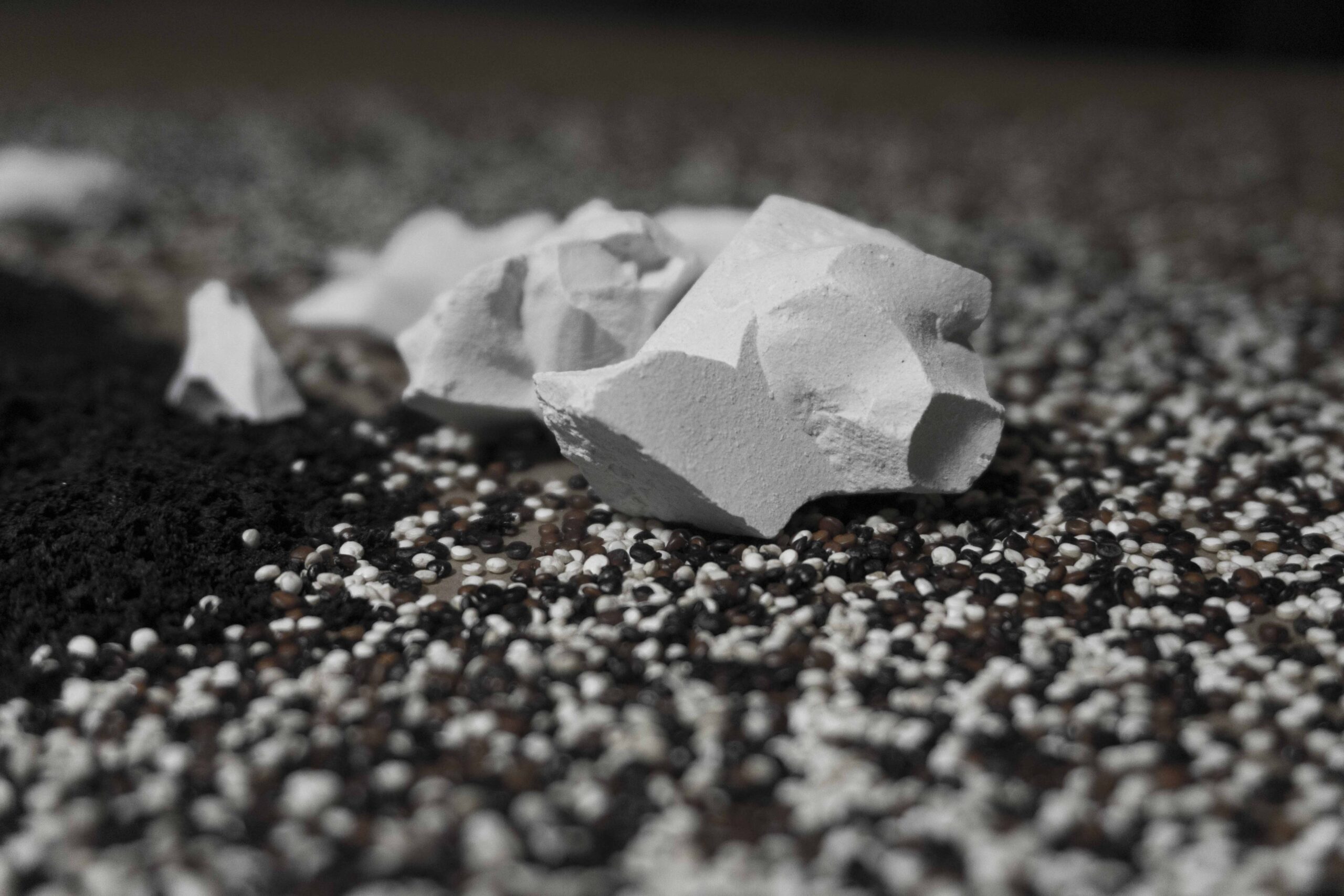
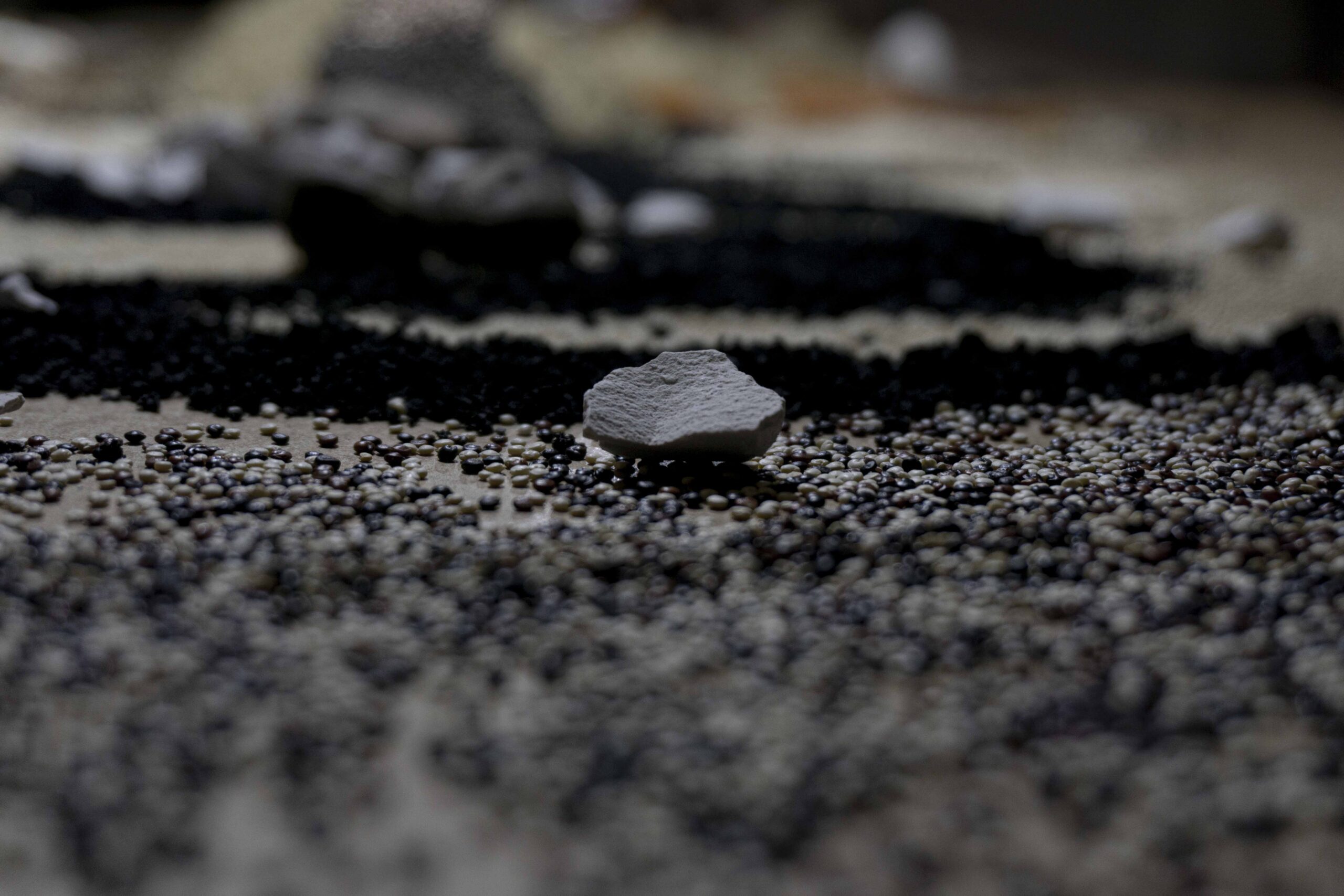
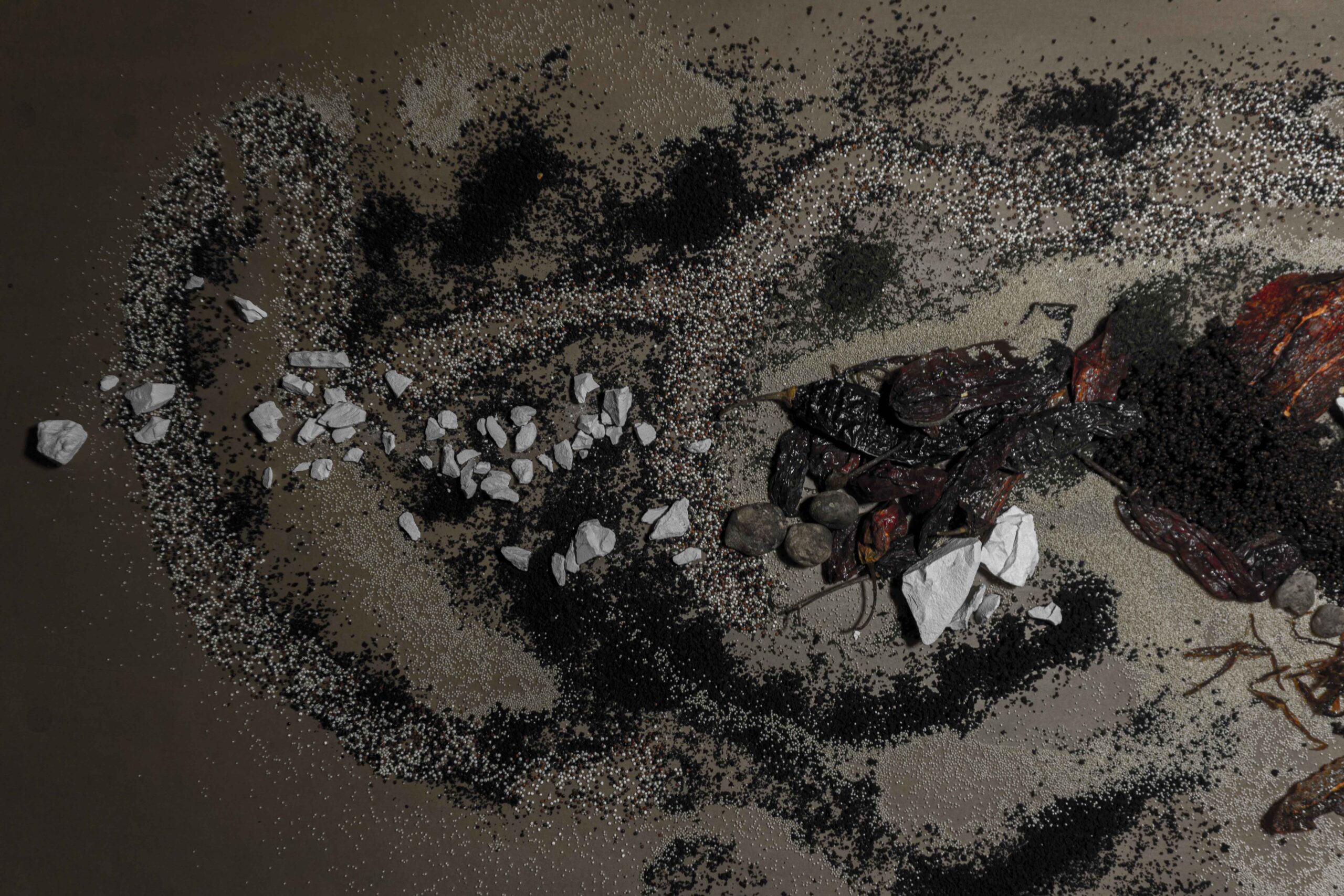
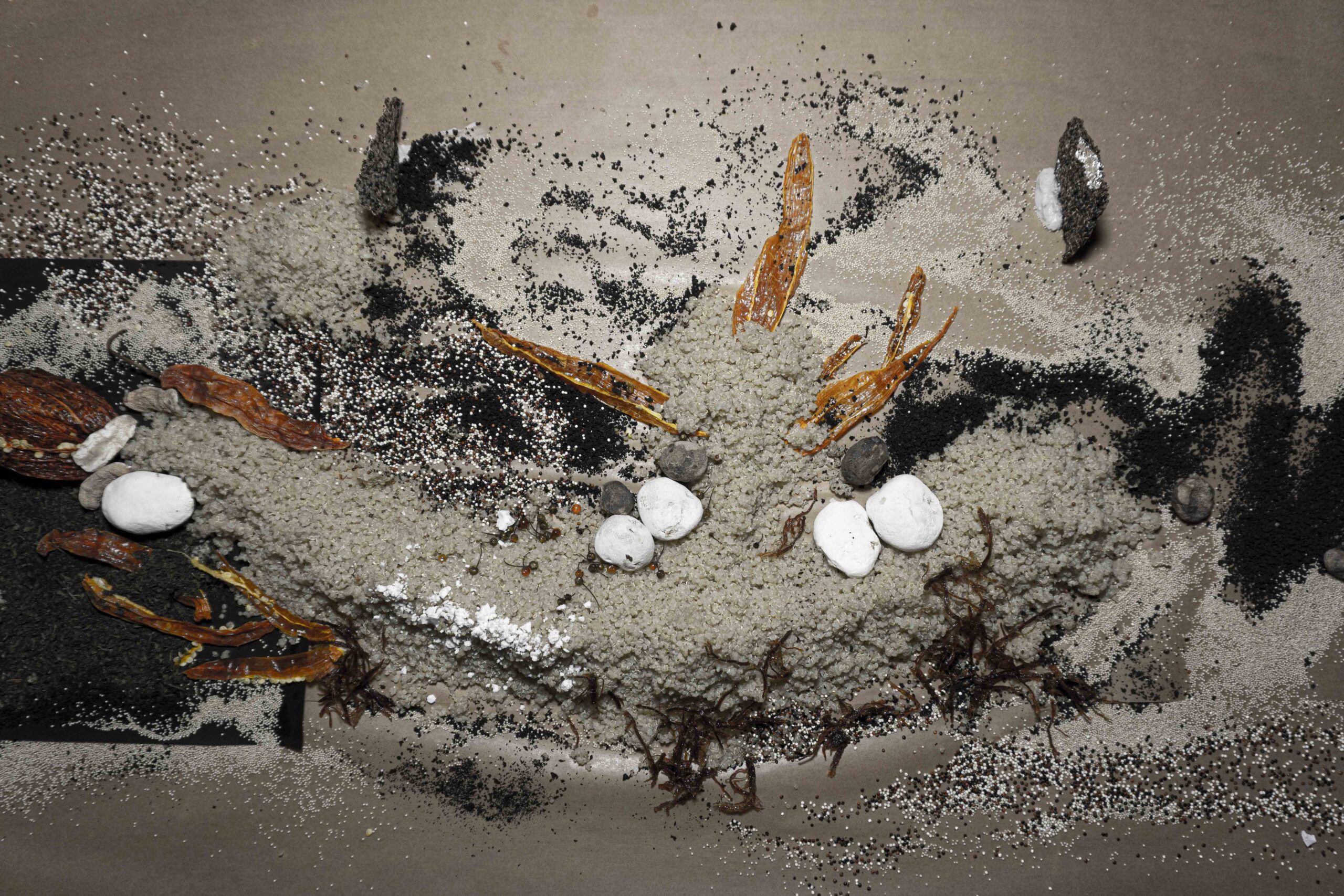
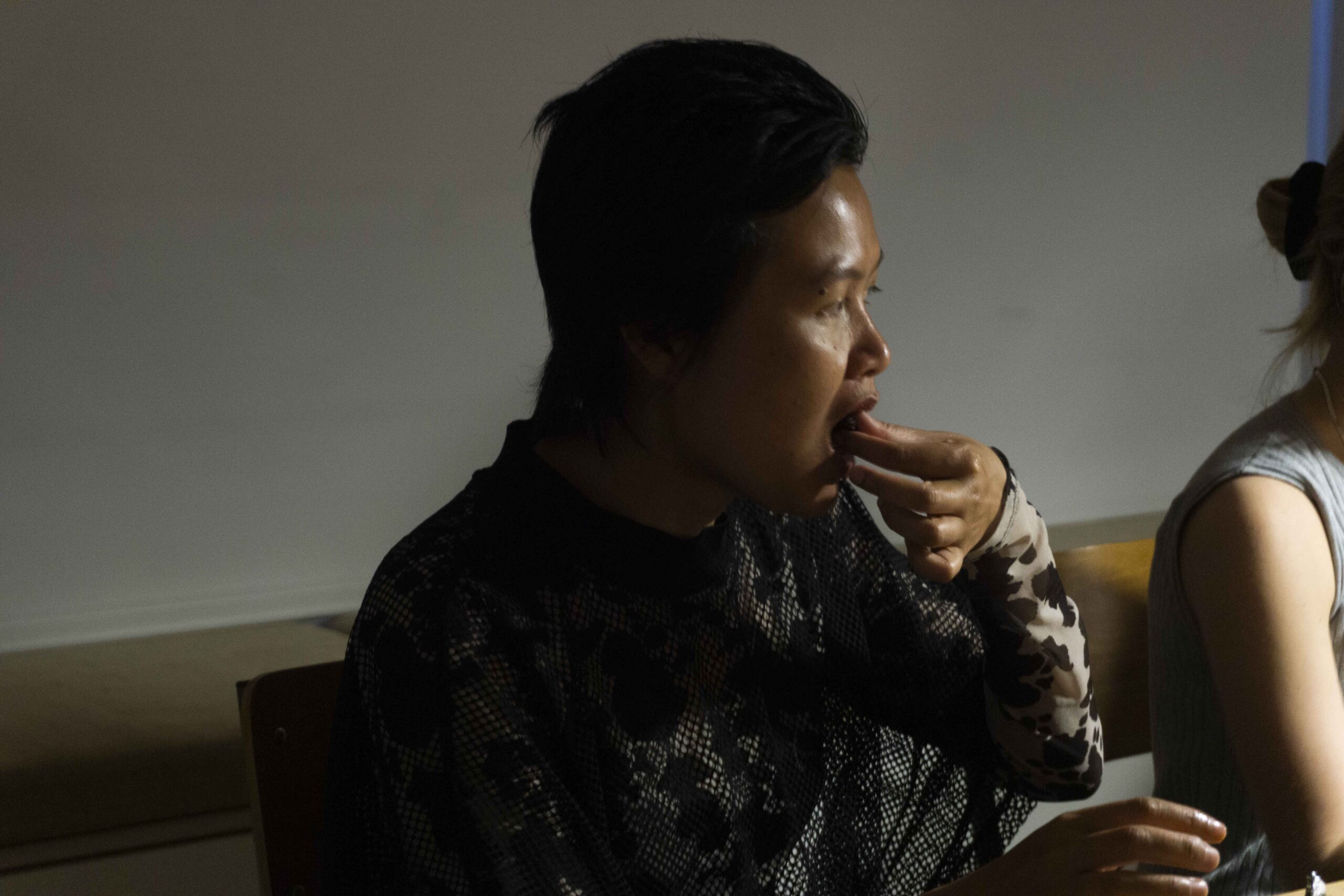
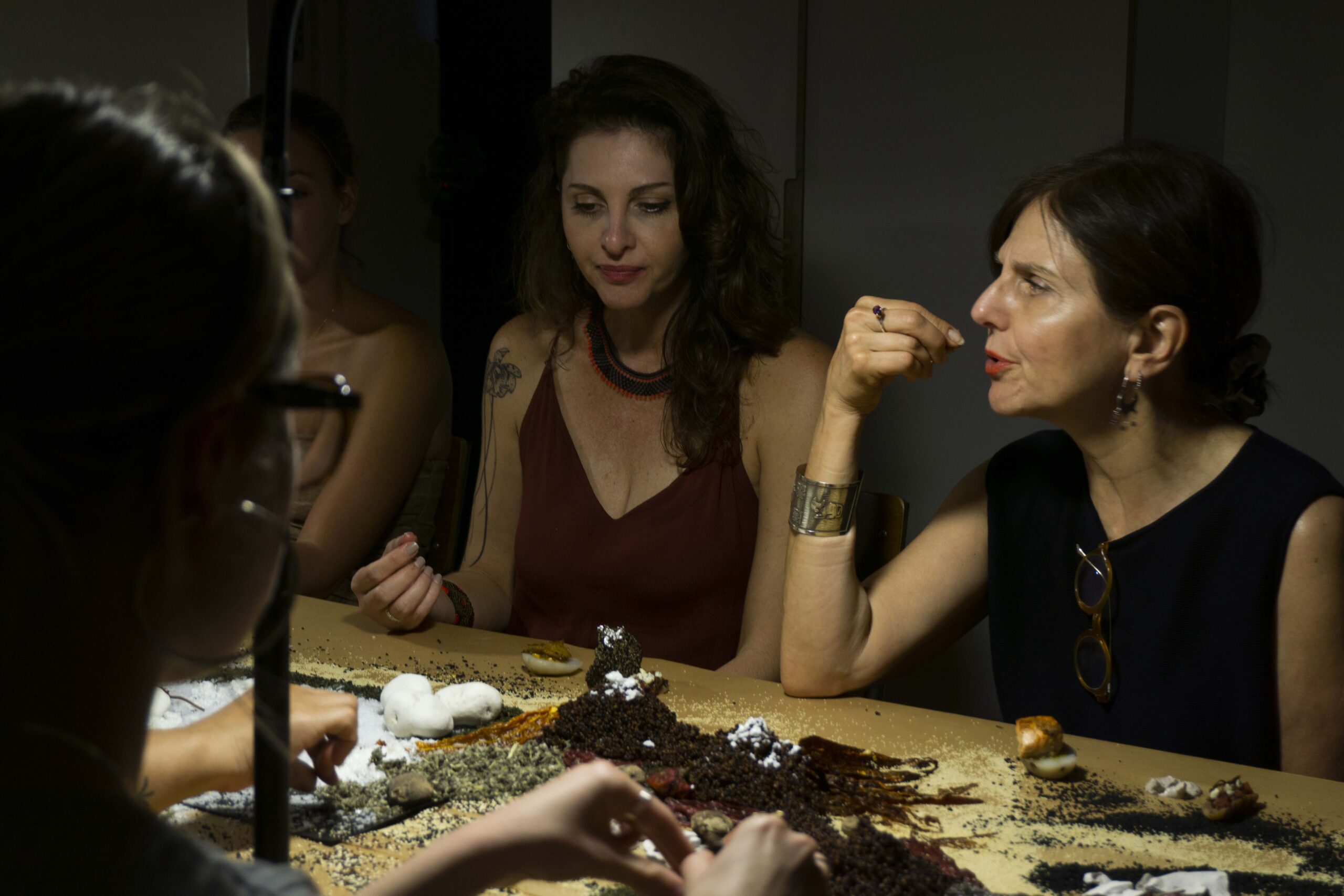
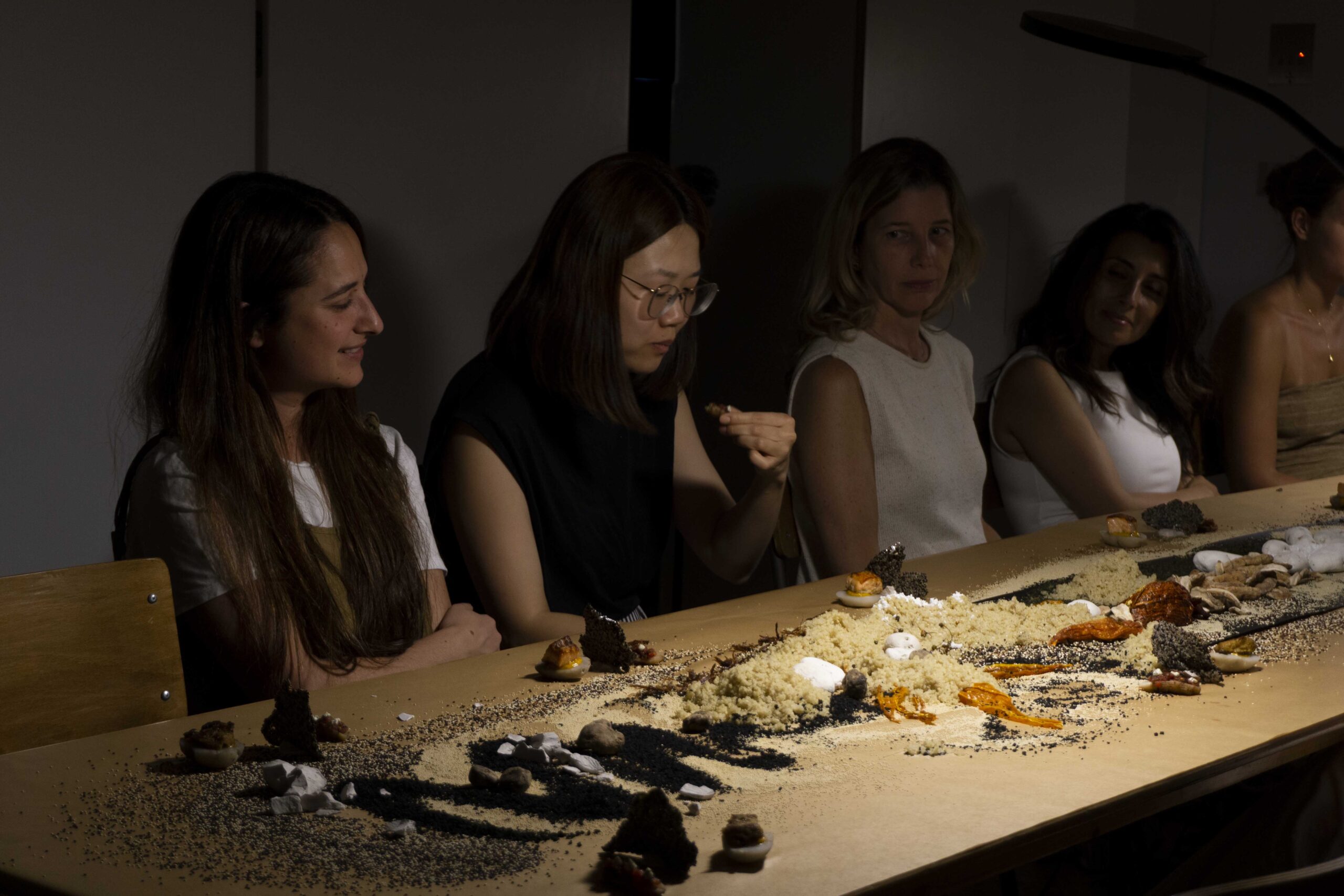
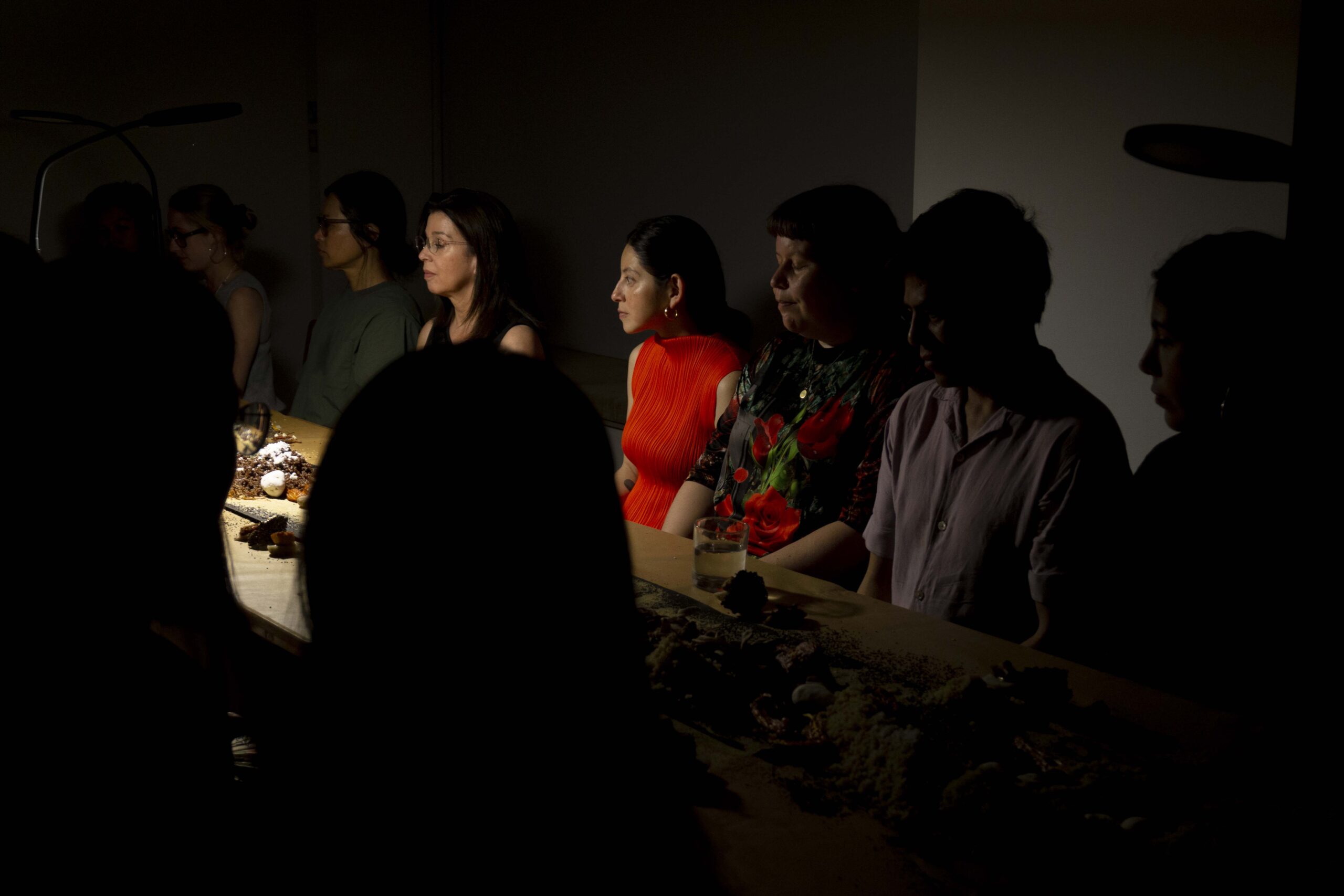
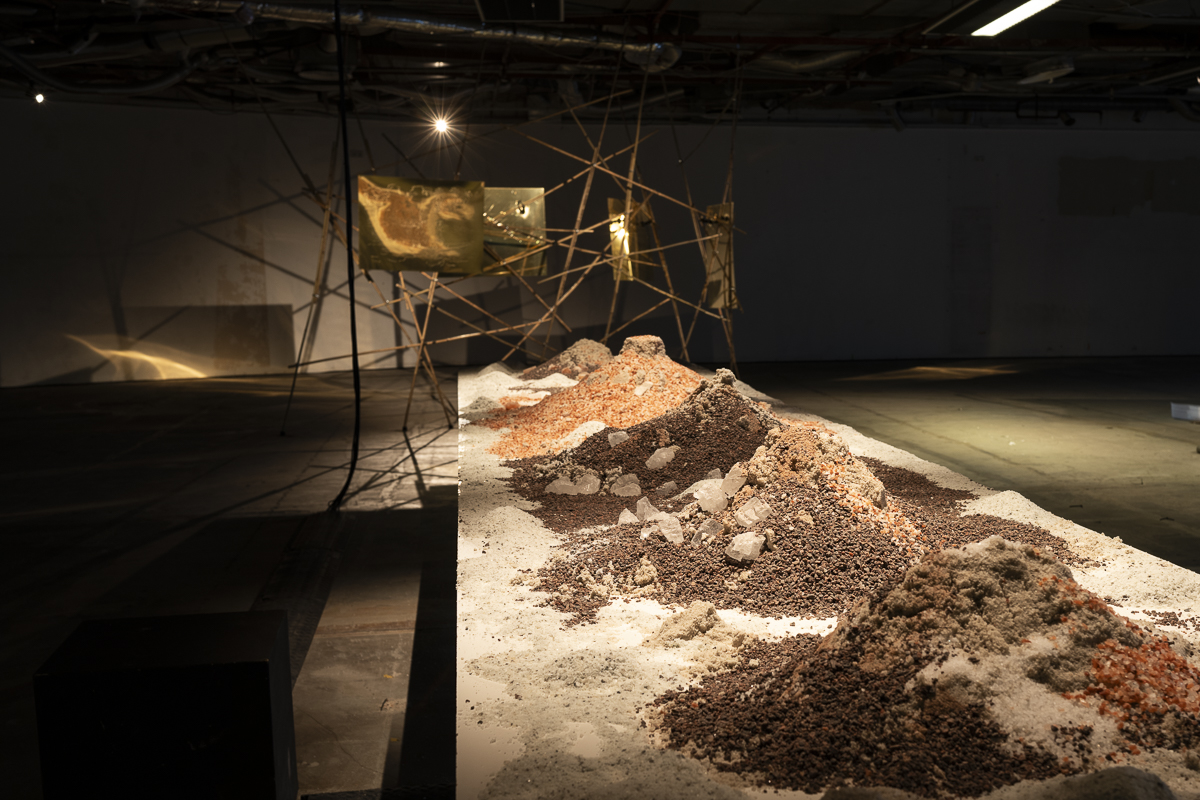
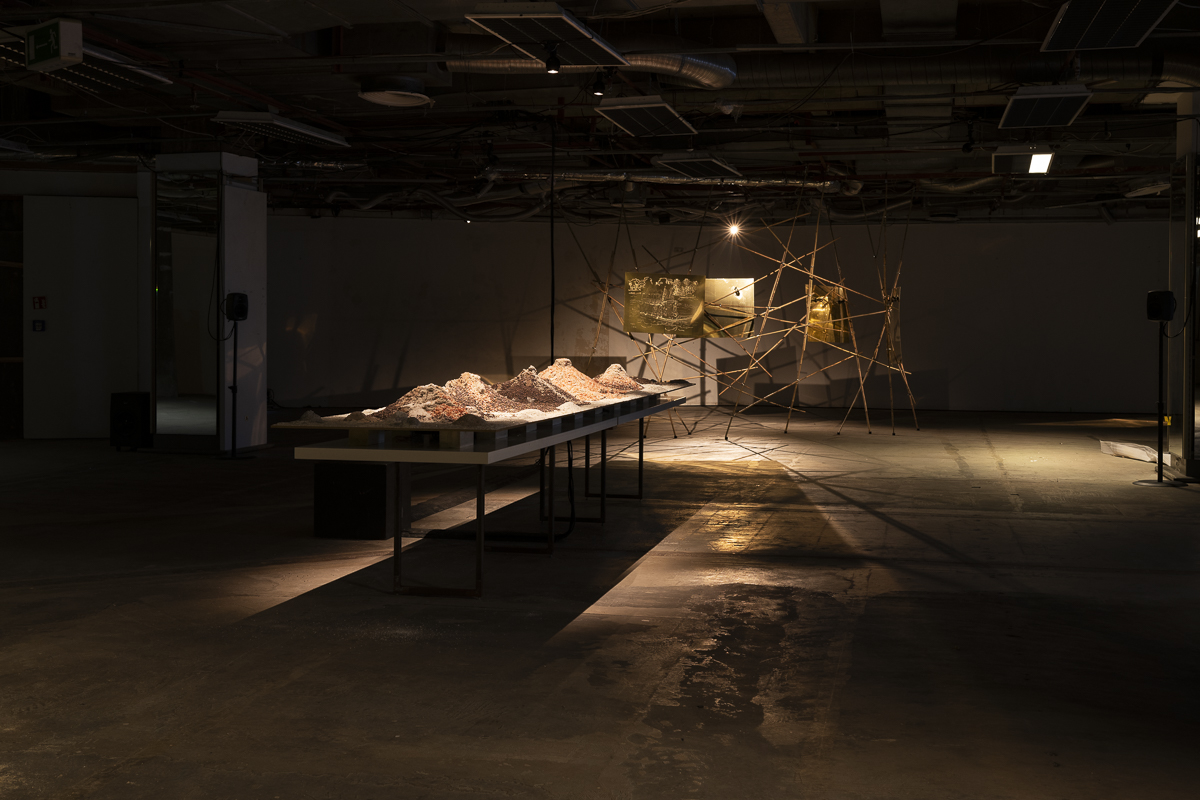
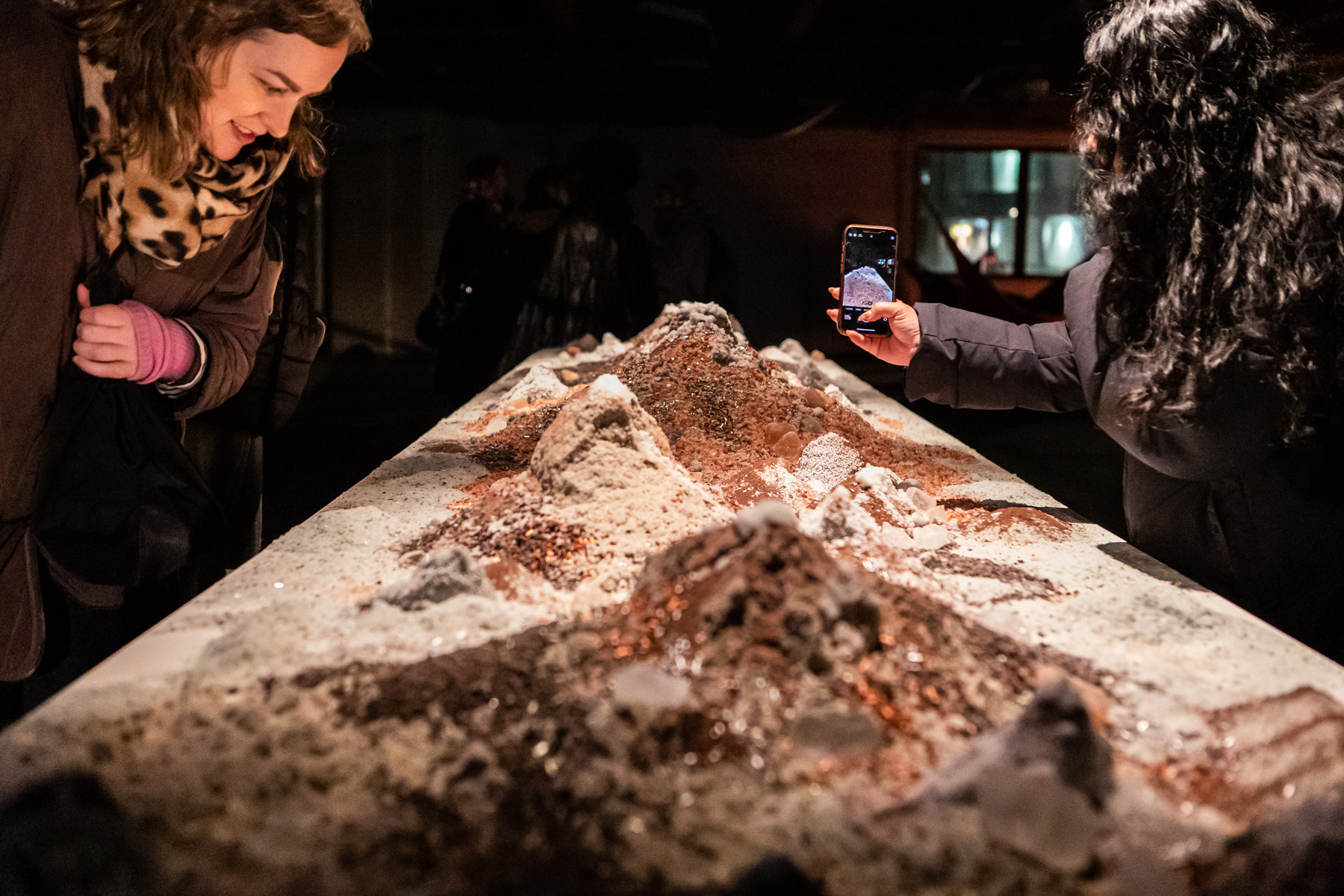
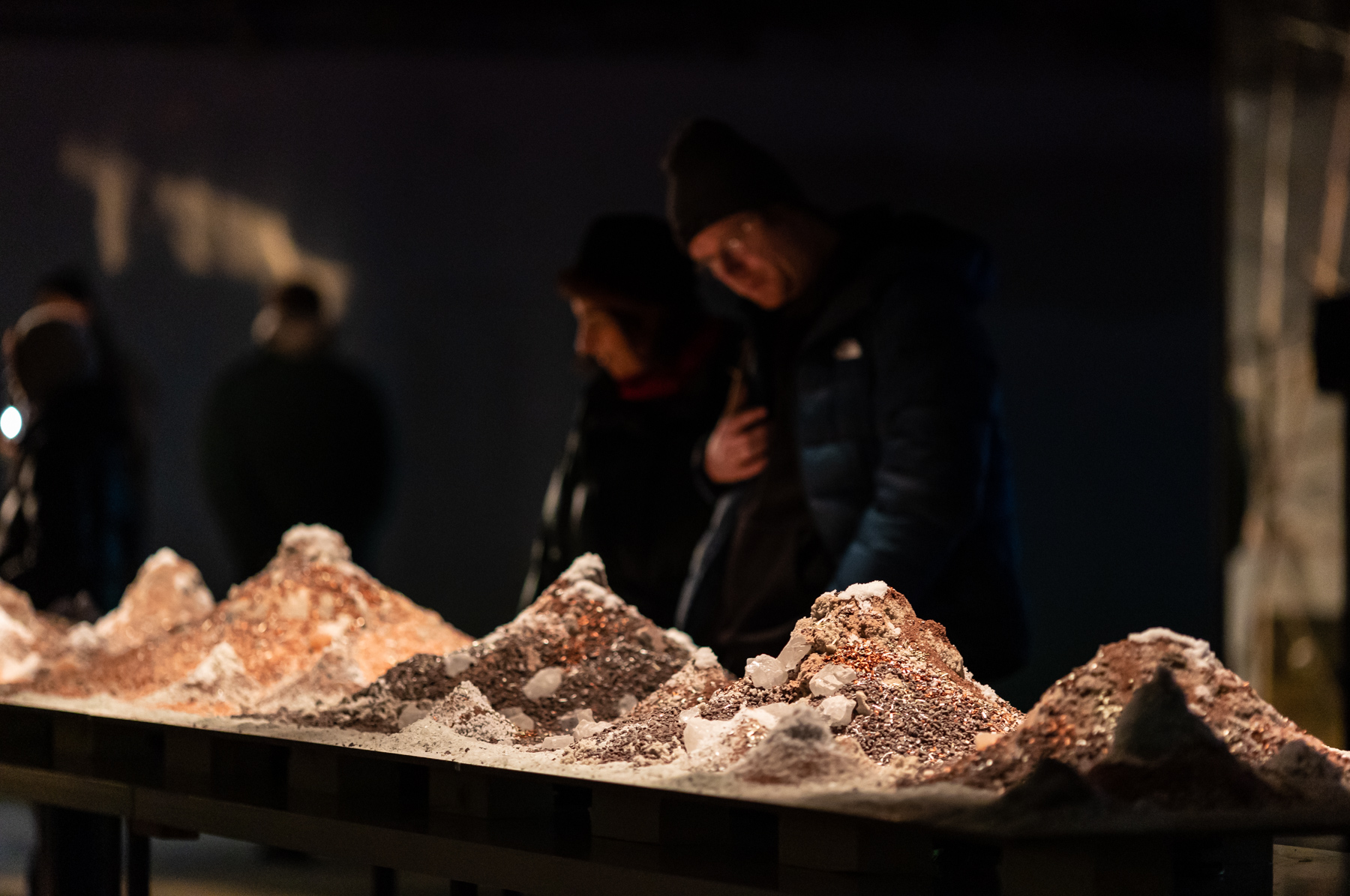
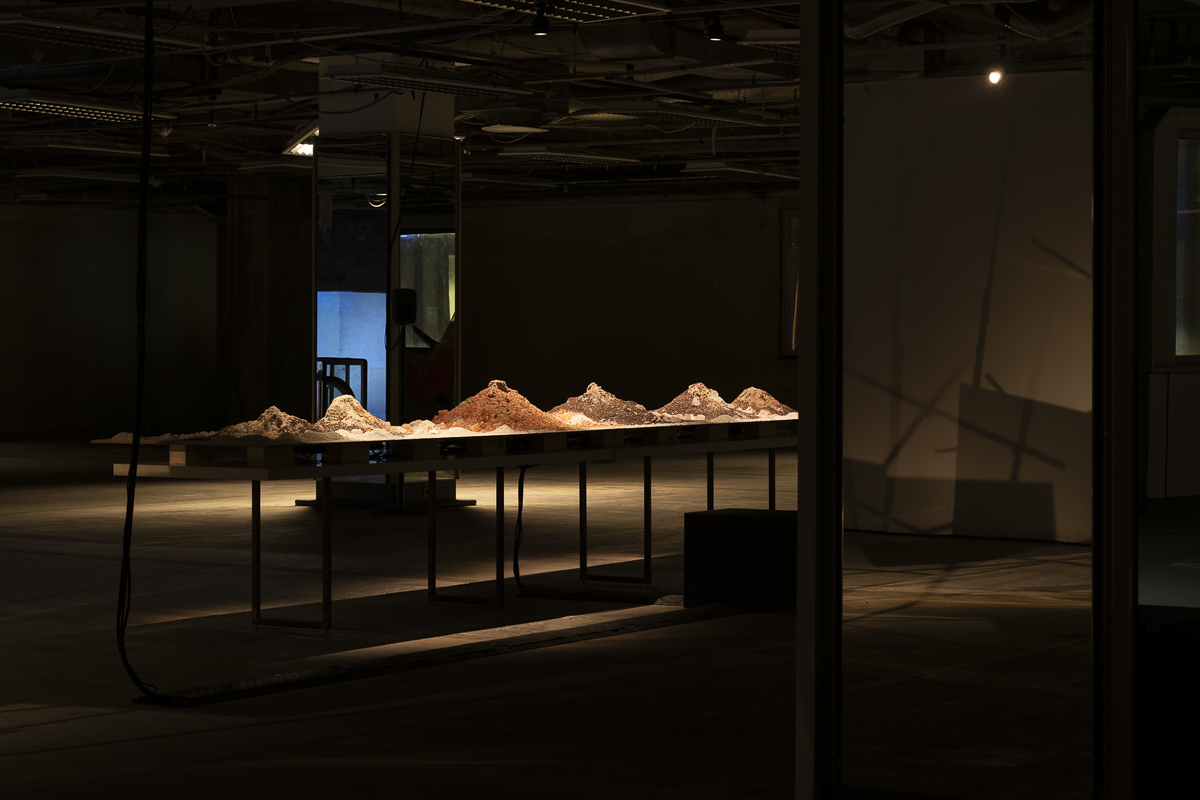
Presented as an intimate performative dinner, Rare Earths gathers participants around an edible landscape that reconfigures, in miniature, the topography of the salt flats and high-Andean mines. Yet it is not a meal. The landscape is not meant to please the palate nor celebrate flavor: it functions as a symbolic device in which ingredients, territories, and conflicts are synthesized to activate a radical question about the relationship between consumption and extraction. Eating or choosing not to eat becomes a gesture that confronts individual responsibility within global extractive systems.

Listening as a way of knowing


A multichannel soundscape envelops the table: field recordings, sonic materialities of the territory, and poetic texts that weave together its unsettled present, colonial continuities, and historically silenced voices. In this space, listening operates as a way of knowing and as an ethical practice.

An open score


Rare Earths functions as an open score, adaptable to other contexts and ecosystems of ecological sacrifice. The table becomes an exceptional territory where hierarchies are suspended, and the possibility of solidarity emerges from the intimate and deeply.

Ingredients

A selection of native Altiplano ingredients, a fractal that opens the territory to perception.

Ulupica

A tiny wild Andean chili pepper is considered to be the oldest DNA of chili peppers in the world. Known for its explosive spiciness and deep cultural heritage.

Phasa

A mineral-rich clay traditionally consumed for grounding and balance, connecting bodies to the geological strata beneath Andean life.


Chuño

A black, sun-withered potato preserved through ancient freeze-drying techniques, carrying the memory of high altitude nights and communal labor.

Red Chili

A sharp, earthy pepper whose deep color and intensity reflect centuries of cultivation in arid Andean terrains shaped by sun and wind.

Qhoa

An aromatic highland herb traditionally burned in offerings, valued for its sharp fragrance and its role in cleansing, protection, and ritual connection with the territory.

Wira Wira

A soft, aromatic medicinal plant traditionally brewed as a healing tea, known for soothing respiratory and digestive ailments across the high Andean plateau.

Tunta

A pale, delicately flavored potato dried through glacial cold and flowing water, valued for its subtlety and long-lasting sustenance

Charque de Llama (Dried Llama Meat)

Lean camelid meat cured by sun and cold winds, an ancestral method that concentrates flavor and honors highland herding practices.

Privacy Settings
We use cookies to enhance your experience while using our website. If you are using our Services via a browser you can restrict, block or remove cookies through your web browser settings. We also use content and scripts from third parties that may use tracking technologies. You can selectively provide your consent below to allow such third party embeds. For complete information about the cookies we use, data we collect and how we process them, please check our Privacy Policy
Youtube
Consent to display content from - Youtube
Vimeo
Consent to display content from - Vimeo
Google Maps
Consent to display content from - Google