
Rare Earths
Open Score for a Broken Chain
The mountain eats men
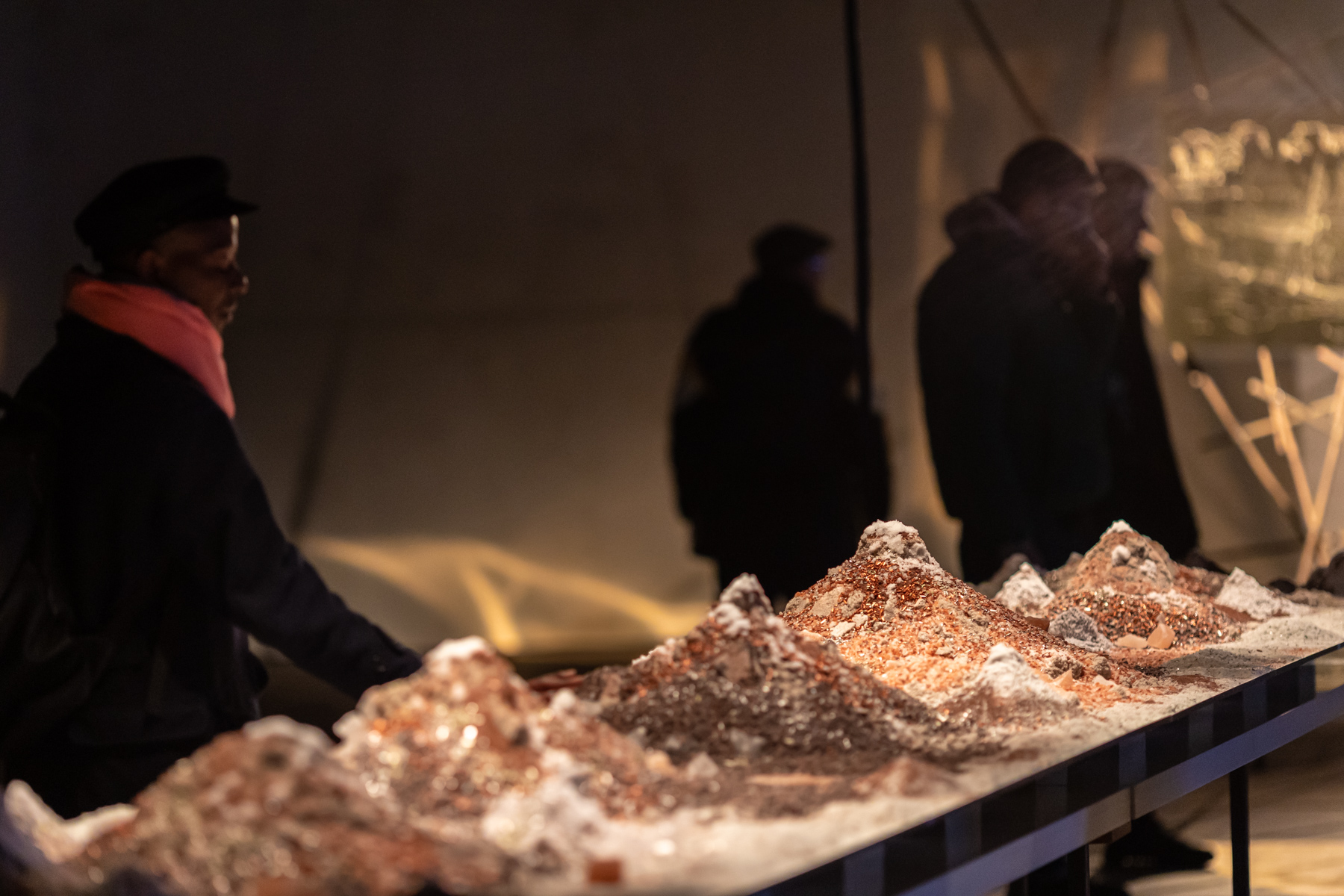
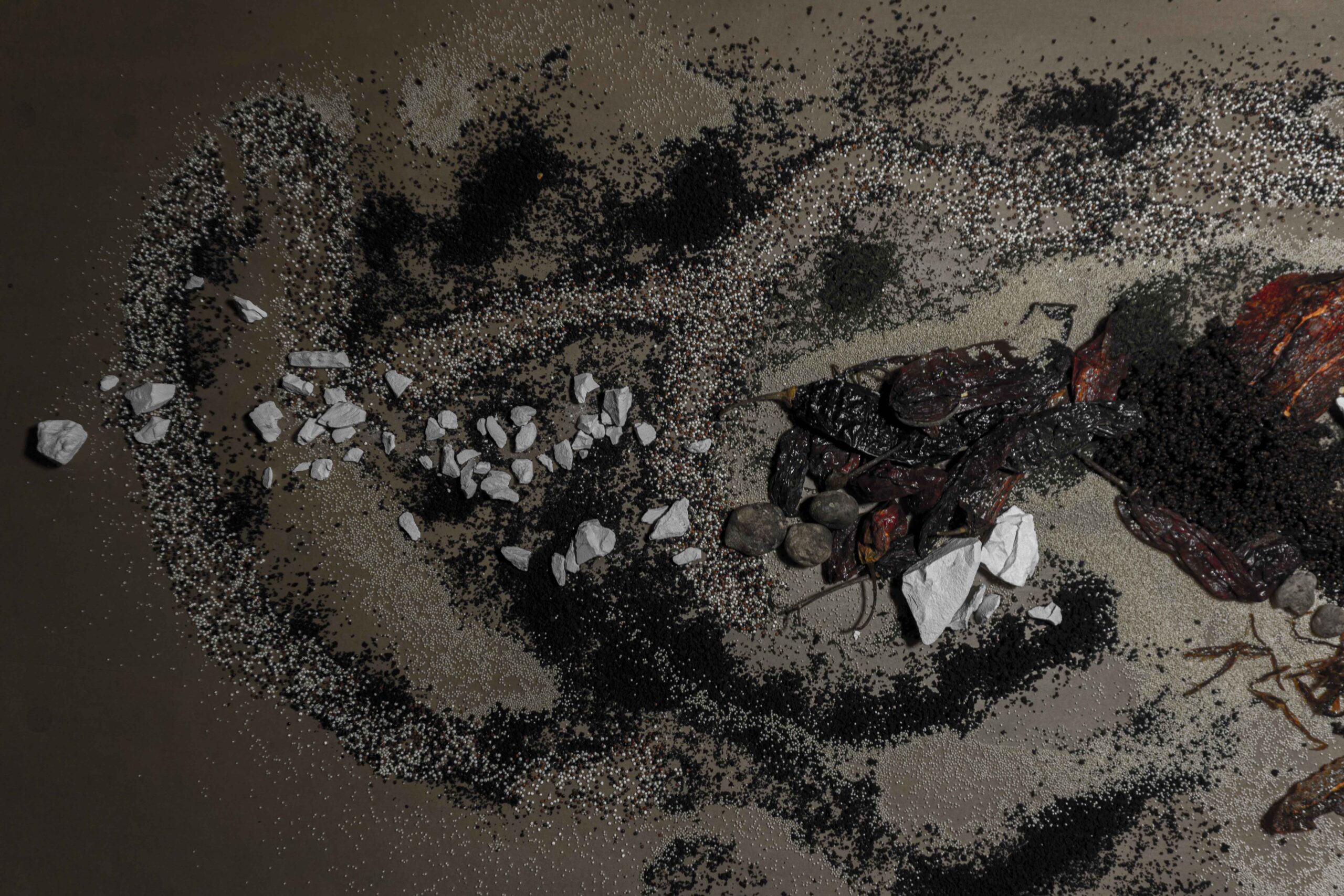
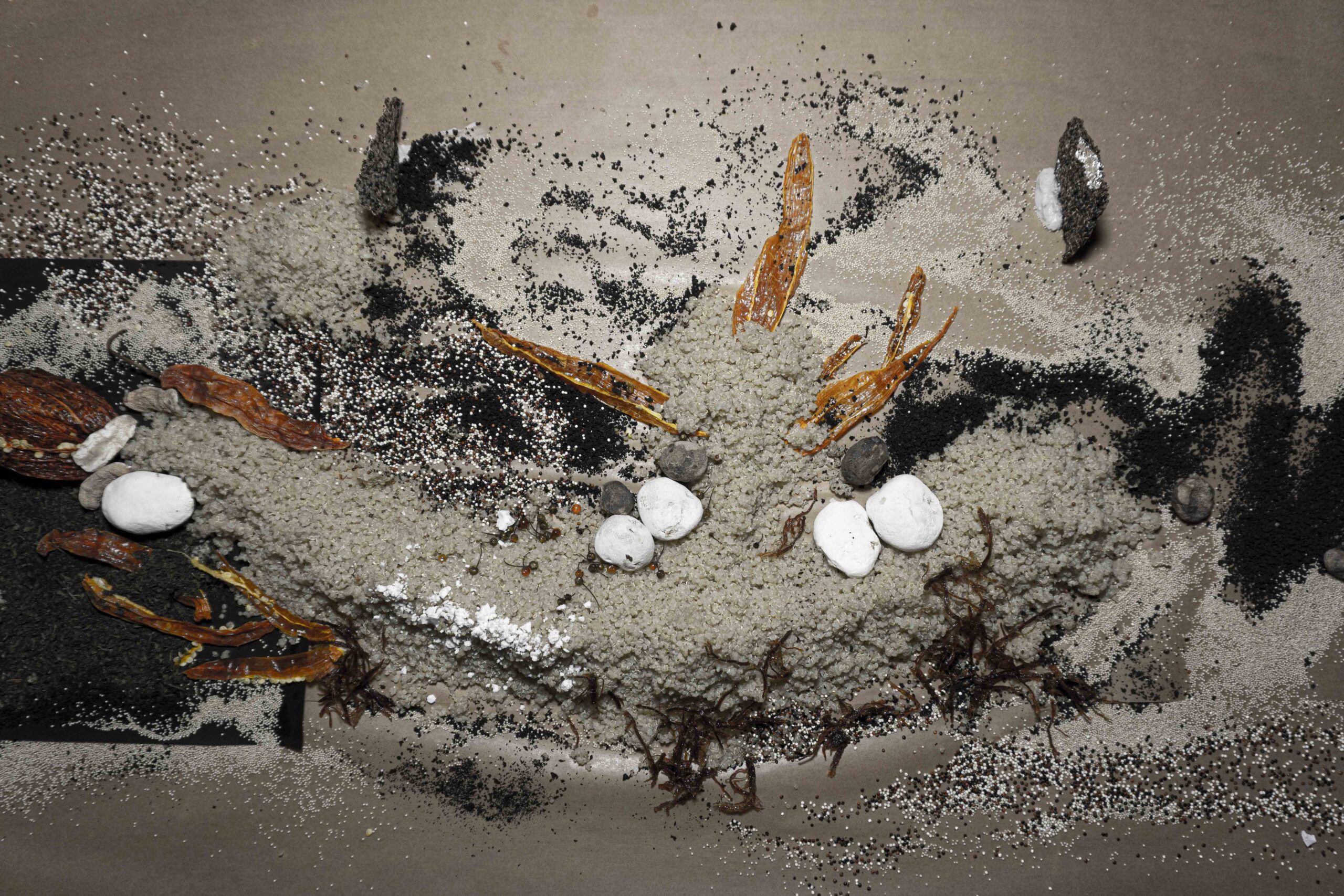
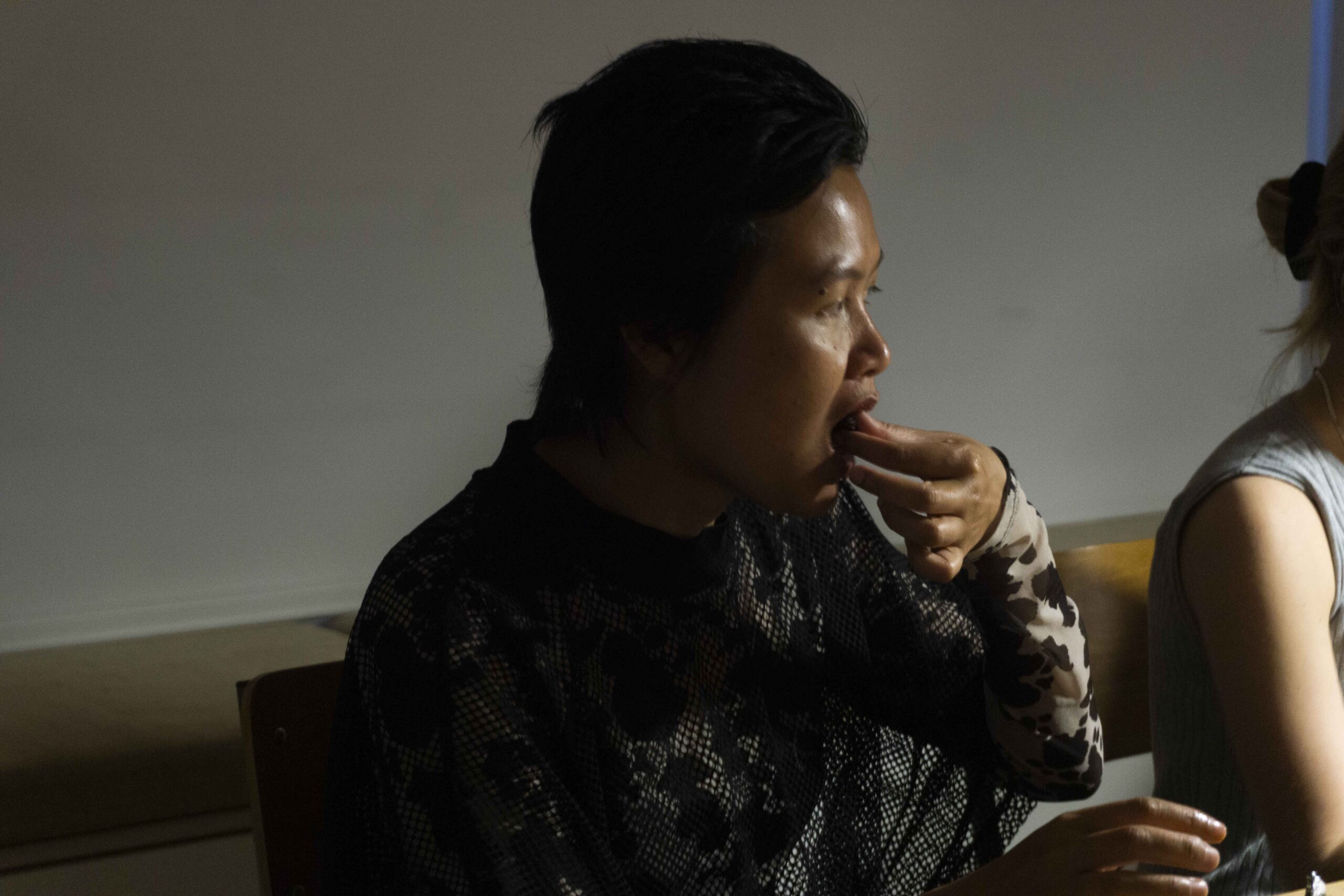
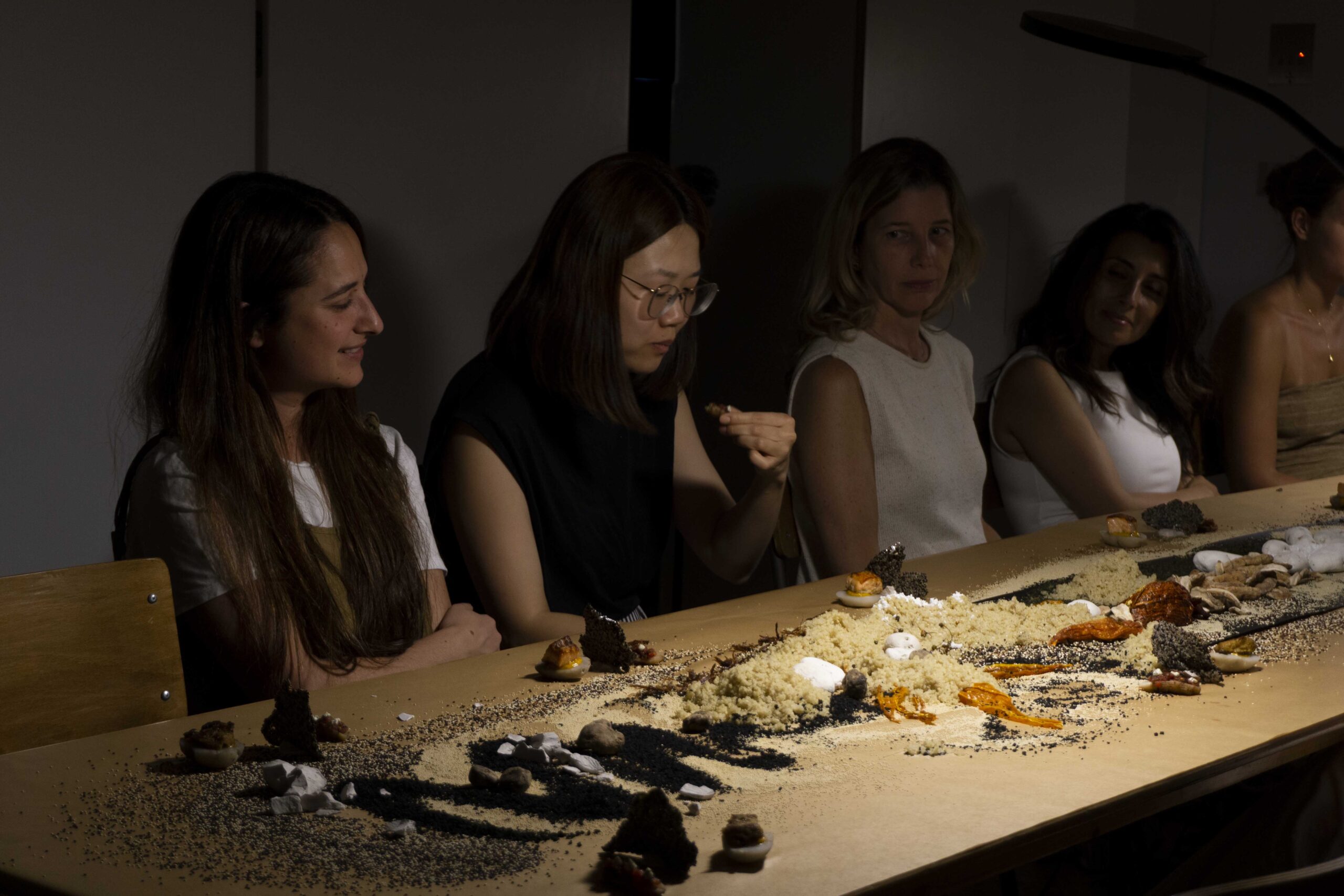
In Potosí they say that the mountain eats men. For five hundred years, Cerro Rico has devoured bodies in the name of someone else’s wealth, reminding us that all extraction is, above all, a relationship of hunger. Rare Earths proposes to invert that image: what happens when it is humans who eat the mountain? What does that gesture reveal about our desires, violences, and everyday complicities with the extractive economies that sustain the technological world?
A sensorial drift
This project emerges from research begun in 2020 on extractivism and mining history in Bolivia, Chile, and Argentina. From this process, two intertwined lines of inquiry took shape: Wak’a: Neo-Extractivism, Sacredness and Deep Listening, which investigates the spiritual and symbolic matrix underpinning mineral-extraction narratives; and Triangle of Sacrifice, focused on the legal concept of “Sacrifice Zone” and on the so-called “Lithium Triangle,” the vast salt flats that contain more than 65% of the planet’s known lithium. Rare Earths constitutes the third movement in this ongoing research: a sensorial drift that shifts from the documentary to the experiential, the audible, and the edible.



Listening as a way of knowing
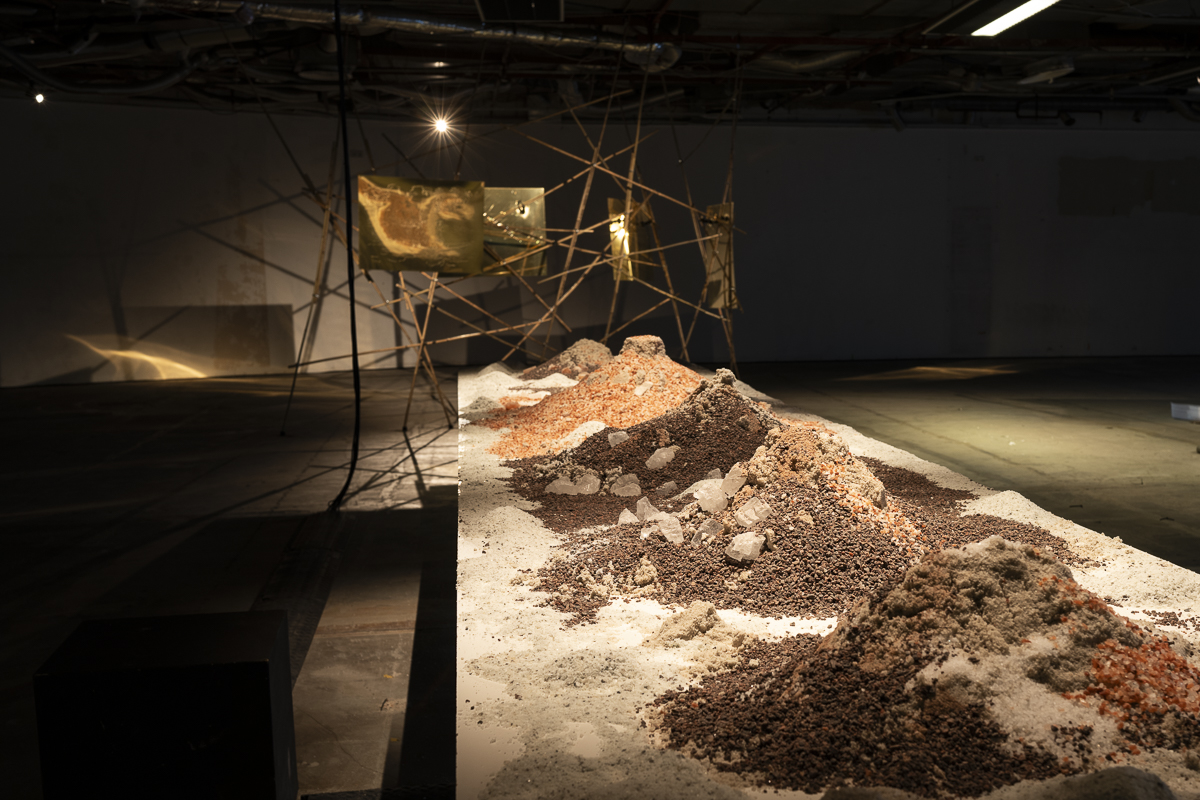
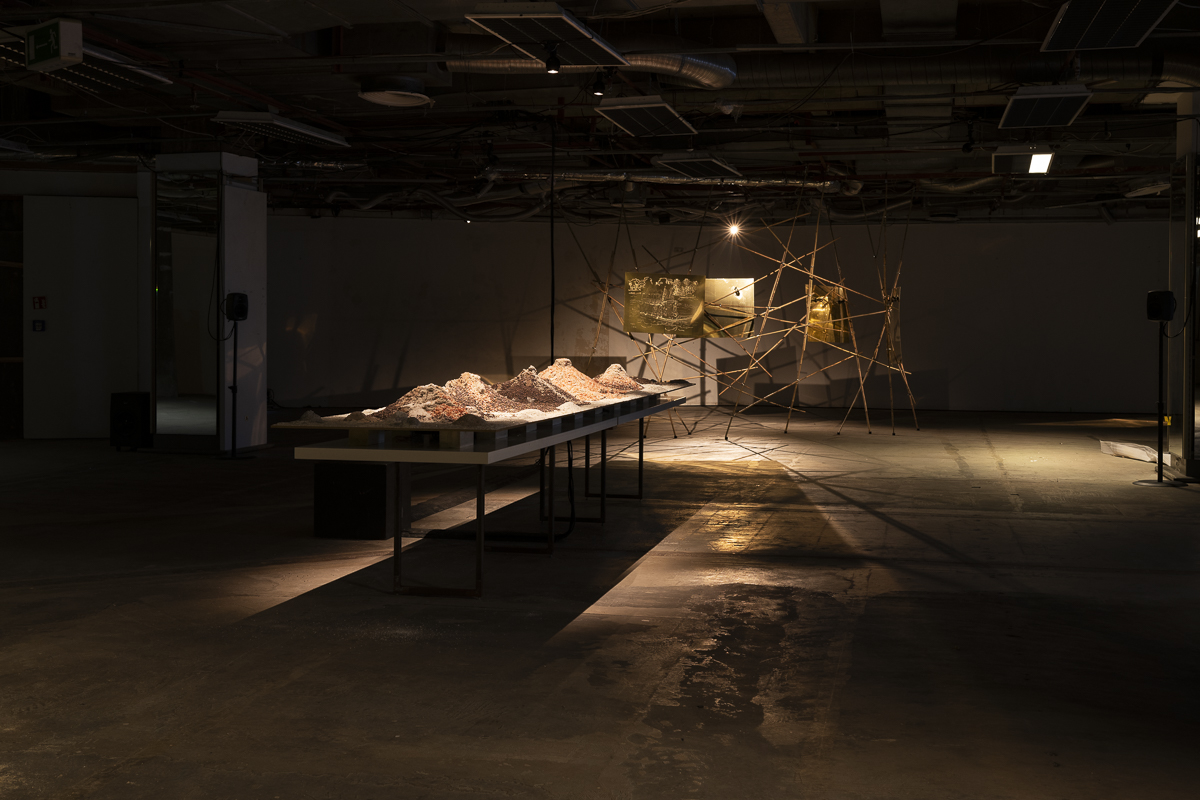
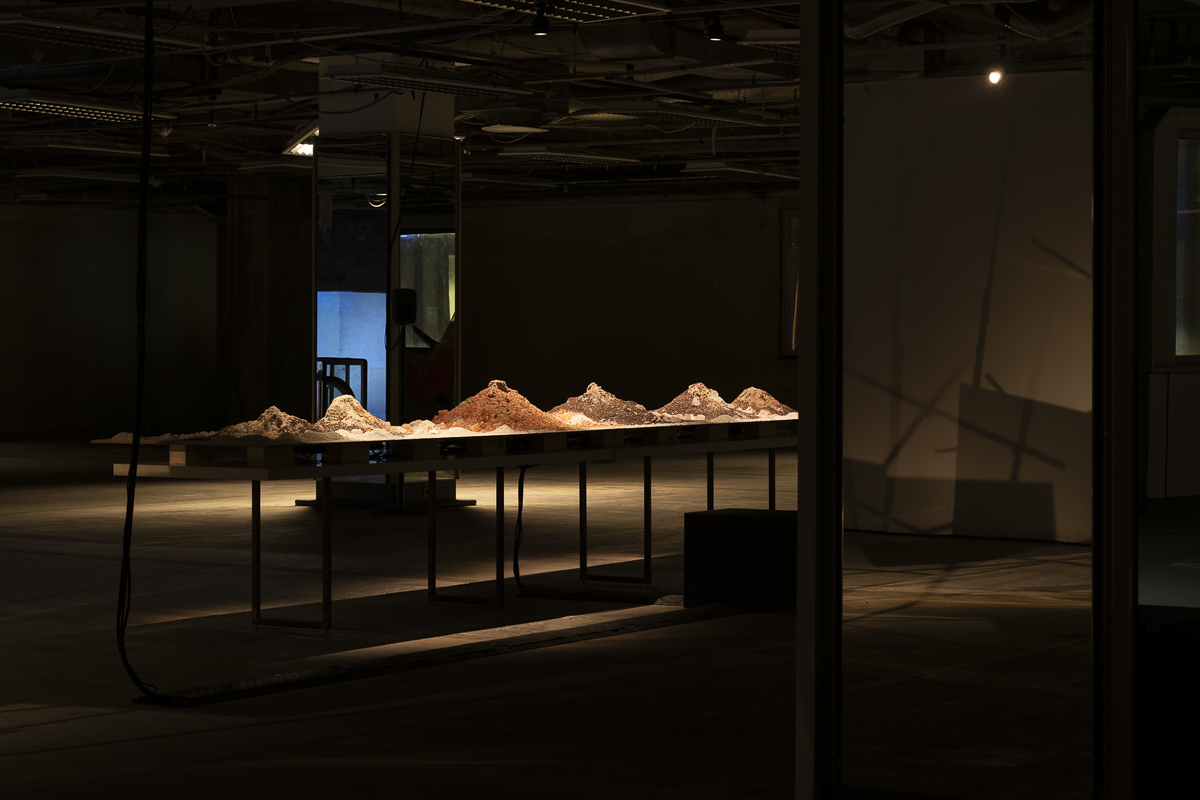
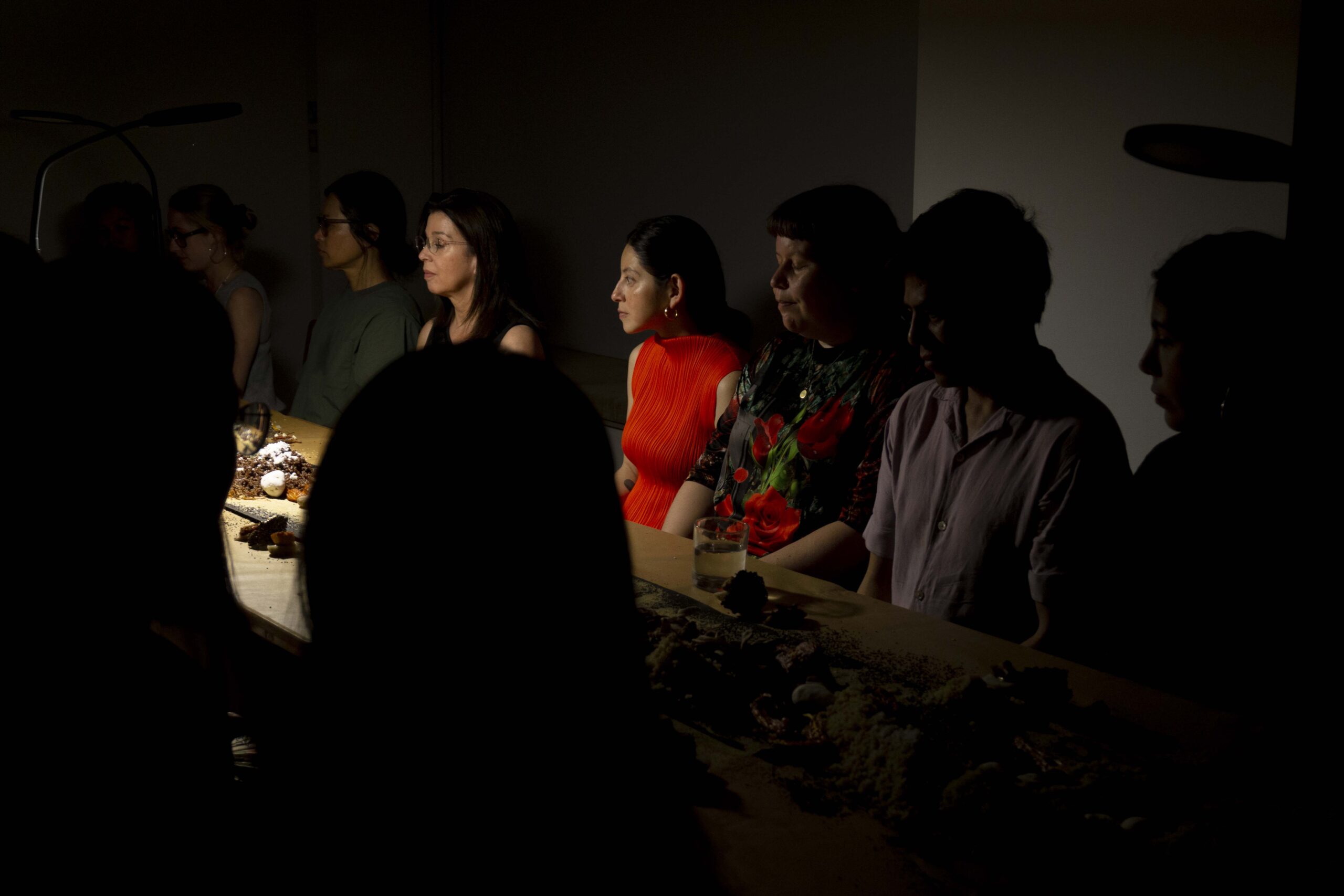
A multichannel soundscape envelops the table: field recordings, sonic materialities of the territory, and poetic texts that weave together its unsettled present, colonial continuities, and historically silenced voices. In this space, listening operates as a way of knowing and as an ethical practice.
An open score
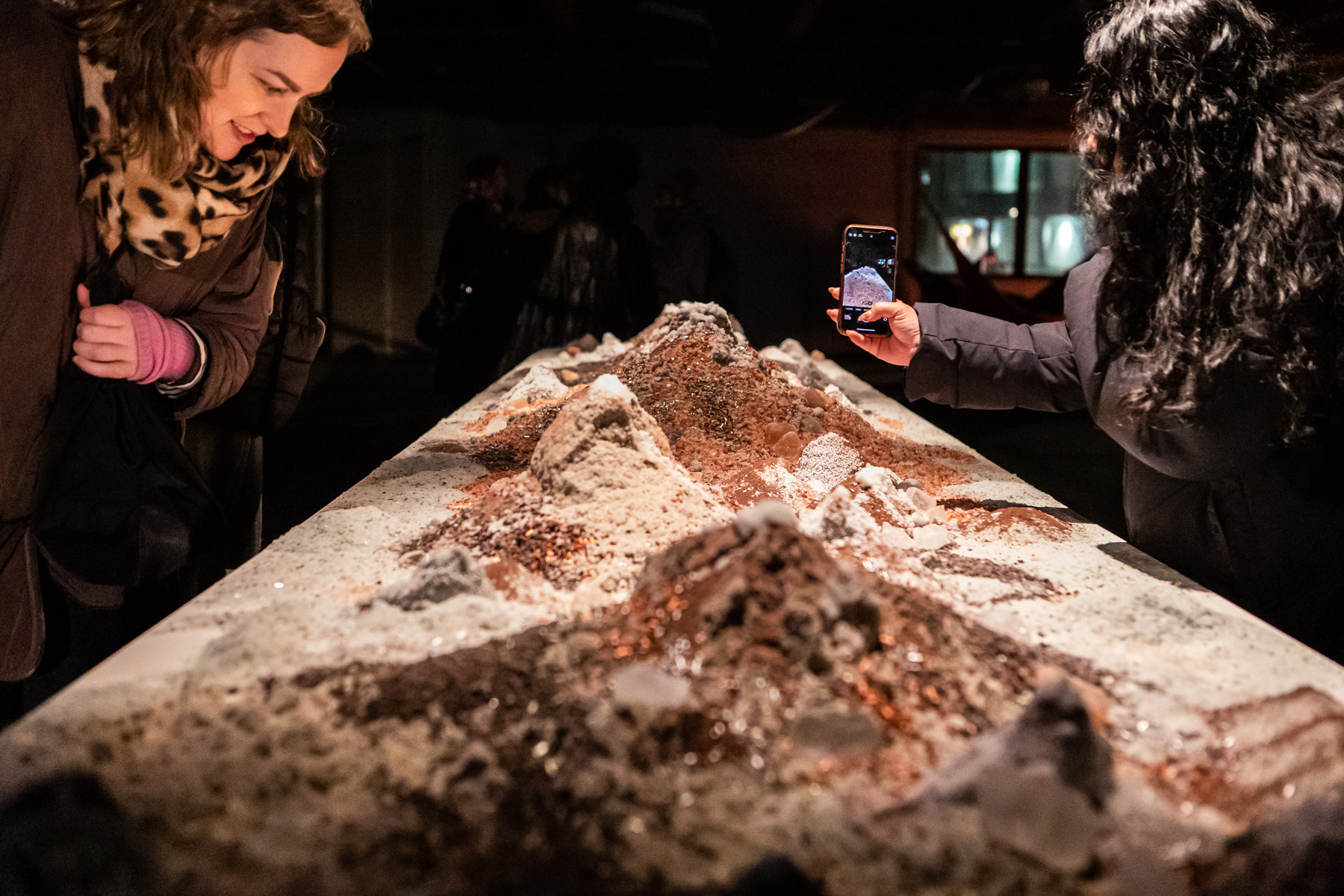
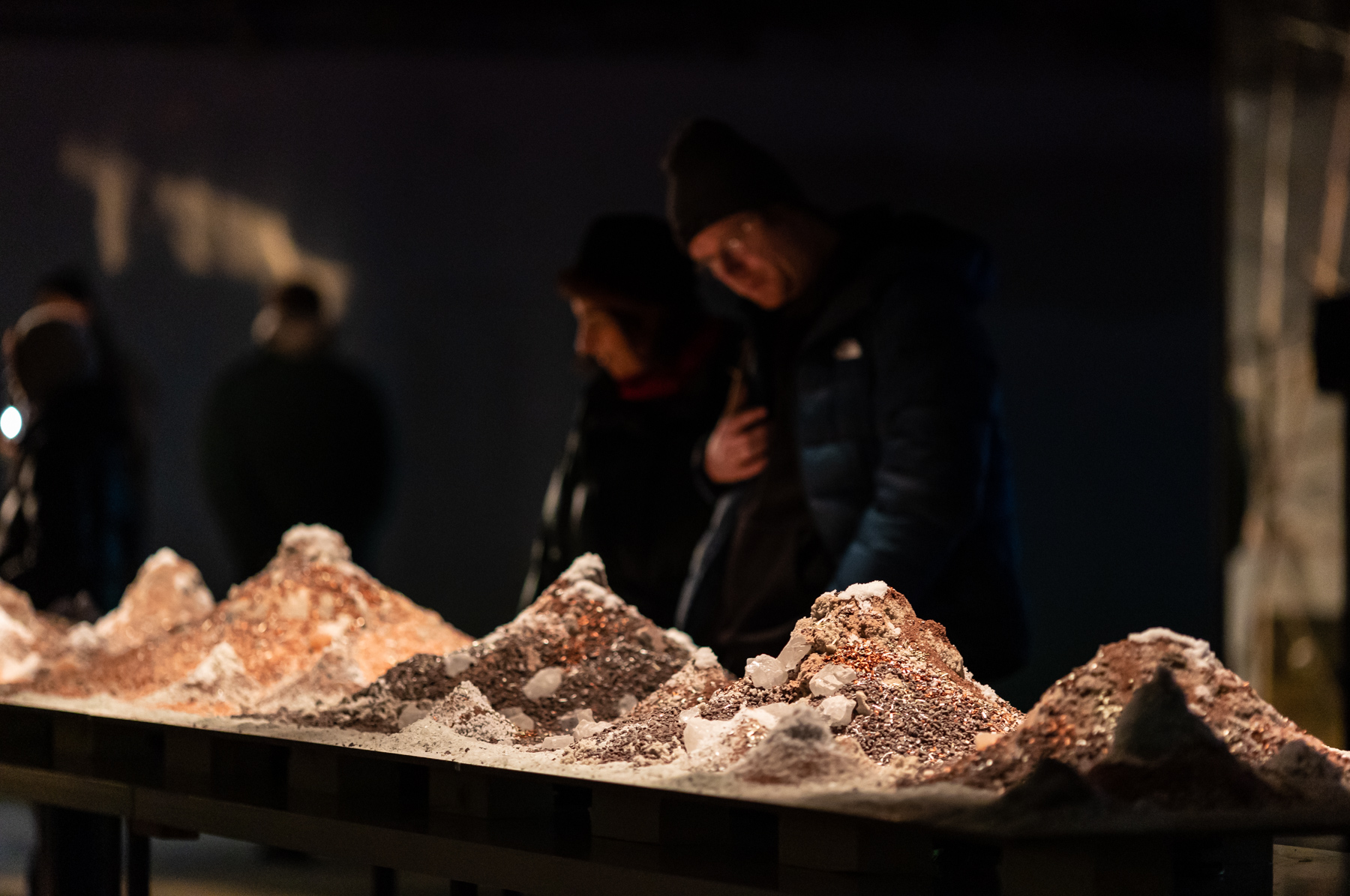
Rare Earths functions as an open score, adaptable to other contexts and ecosystems of ecological sacrifice. The table becomes an exceptional territory where hierarchies are suspended, and the possibility of solidarity emerges from the intimate and deeply.
Ingredients
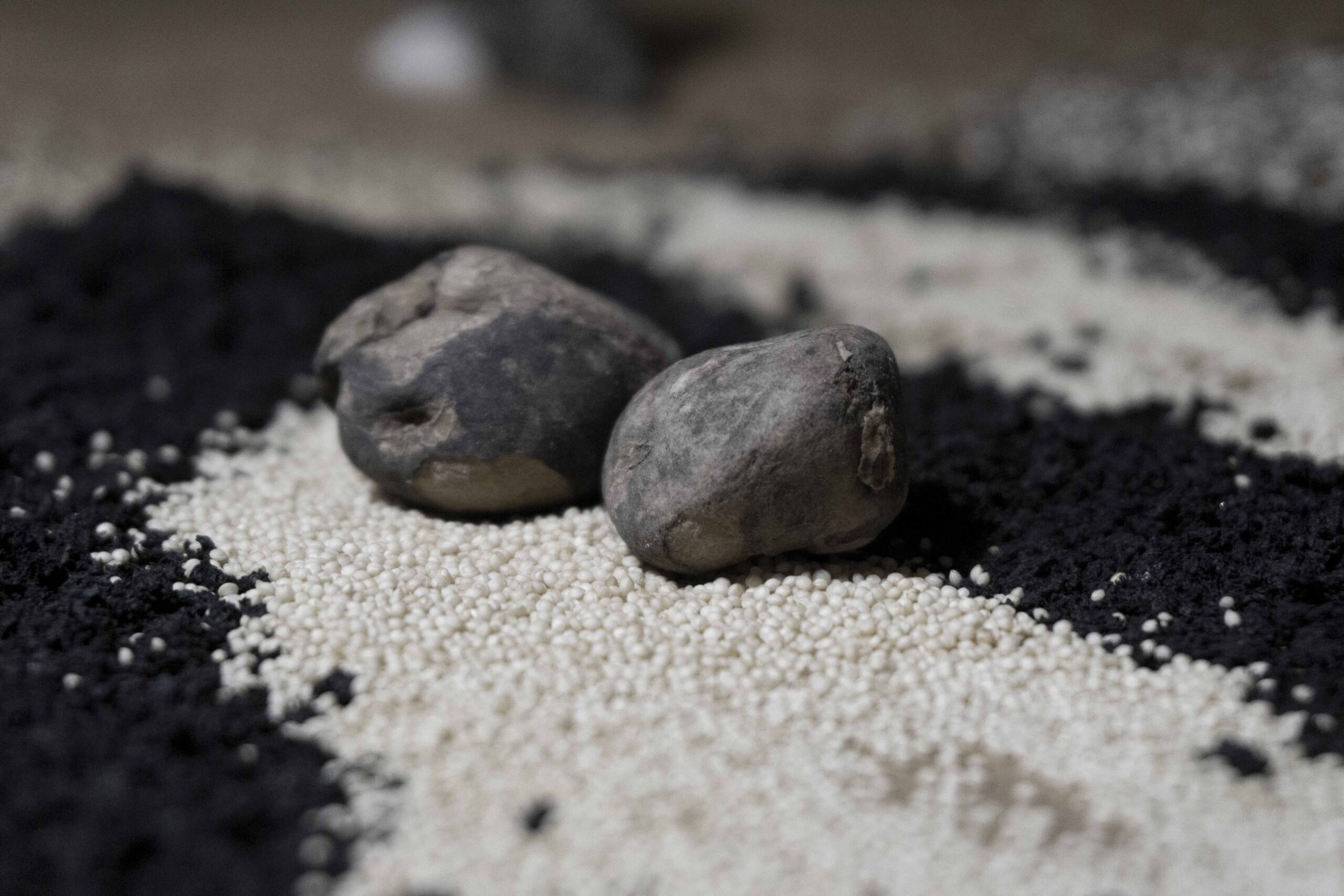
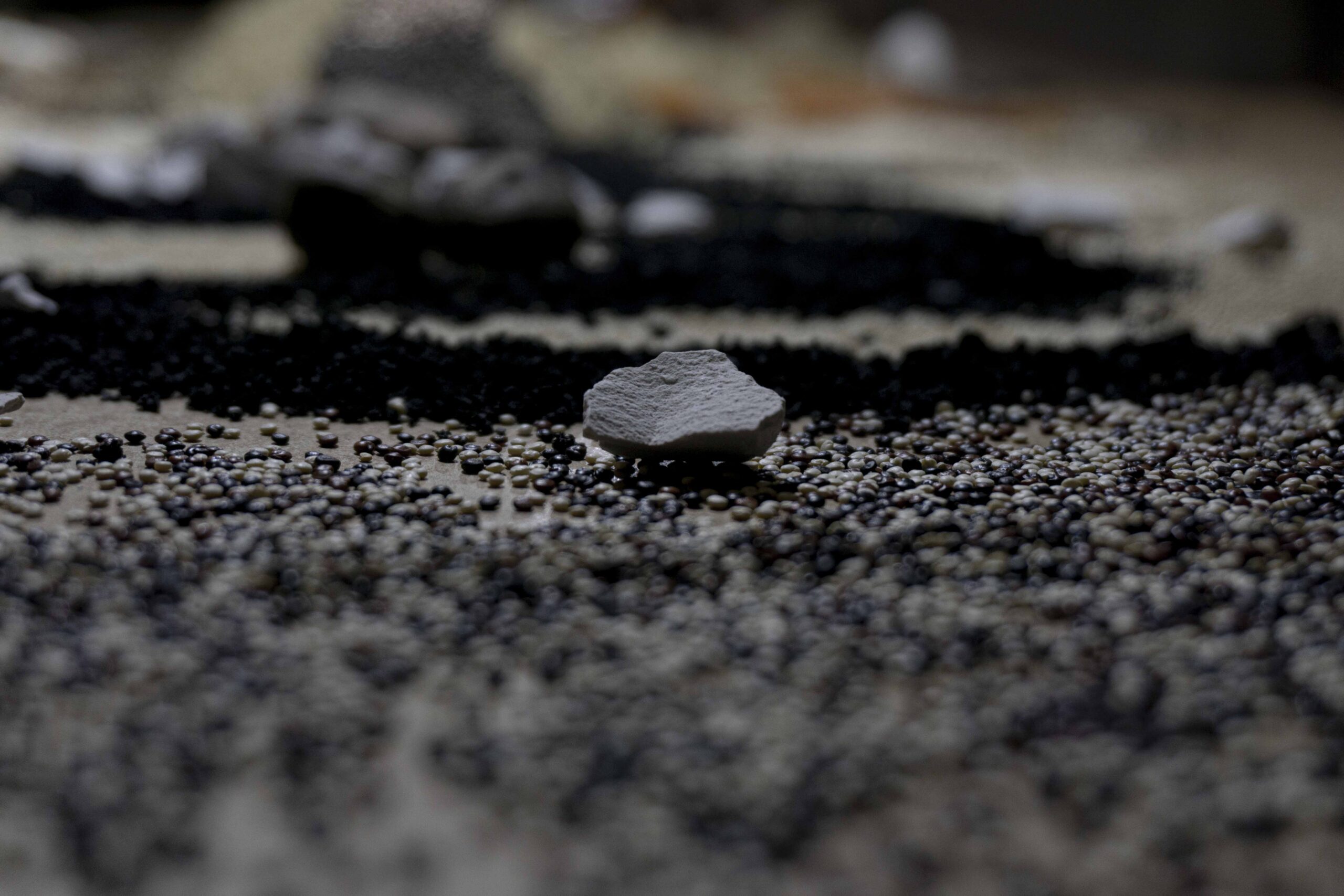
A selection of native Altiplano ingredients, a fractal that opens the territory to perception.
Rare Earths in Transmediale
Variations for Salt, Sugar, and Vibration System